

The Rise of AI-Generated Headshots: Authenticity vs. Professionalism

What Are AI-Generated Headshots?
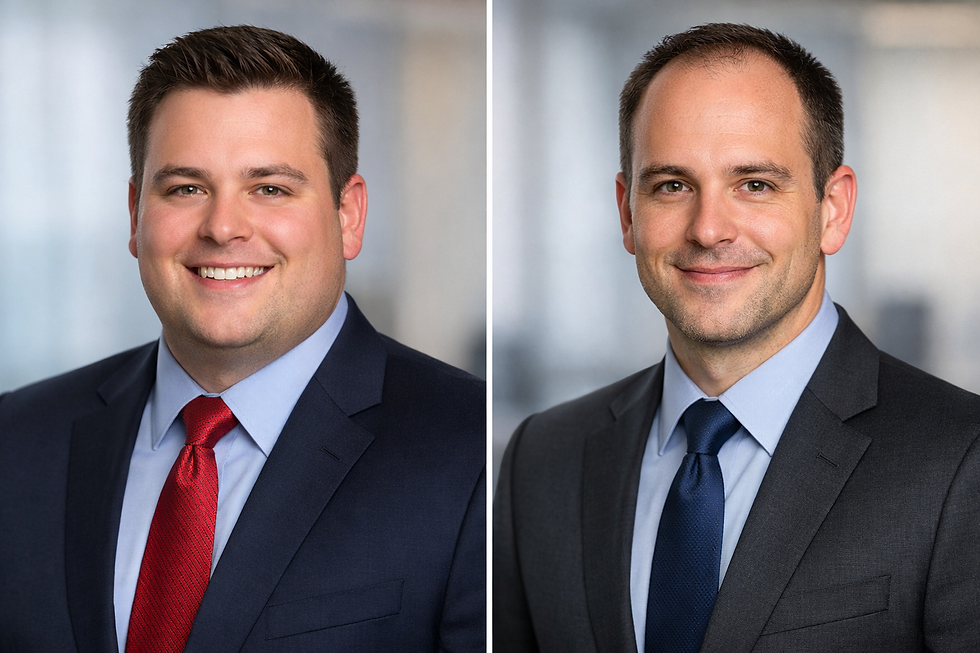
AI-generated headshots use artificial intelligence algorithms to transform casual selfies into polished, professional portraits. Users upload their selfies, and the AI enhances lighting, background, facial features, and overall image quality to produce a photo that looks like it was taken by a professional photographer. These AI images are increasingly popular among job seekers, freelancers, and professionals who want to present a strong first impression online without investing time or money in traditional photography.
The technology behind these AI headshots relies on deep learning models trained on thousands of professional photos. The AI can adjust skin tone, remove blemishes, sharpen facial details, and even change backgrounds to suit corporate standards. This convenience has made AI-generated headshots a tempting option for many.
The Catfishing Concern: When Does Enhancement Become Deception?
Catfishing typically refers to creating a false identity online to deceive others. The question is whether AI headshots cross that line when they significantly alter a person’s appearance. Some argue that using AI to create a more polished image from a selfie is misleading, especially if the final photo no longer resembles the individual accurately.
Key concerns include:
Misrepresentation of appearance: If AI changes facial features or skin tone beyond natural enhancement, it can create a false impression.
Trust issues: Employers and colleagues may feel deceived if they meet someone who looks very different from their AI headshot.
Unequal playing field: Those who can afford professional photos or advanced AI tools may have an unfair advantage over others.
On the other hand, many professionals already use photo editing tools to improve their headshots. The line between acceptable enhancement and deception is blurry. For example, adjusting lighting or removing minor blemishes is widely accepted, but altering facial structure is not.
Should AI Headshots Be Accepted in the Corporate Workforce?
Acceptance of AI-generated headshots depends on the purpose and context in which they are used. Here are some factors to consider:
1. Professionalism and Authenticity
Corporate environments value authenticity and trust. A headshot should represent the individual honestly. If AI images maintain a realistic likeness, they can be a useful tool for professionals who lack access to quality photography. However, if the AI image distorts the person’s appearance, it risks damaging credibility.
2. Industry Norms
Some industries are more visual and image-conscious, such as media, sales, or client-facing roles. In these cases, a professional-looking headshot is important, but so is authenticity. Other fields may place less emphasis on appearance, focusing more on skills and experience.
3. Transparency
One way to address ethical concerns is transparency. Professionals could disclose when their headshots are AI-generated. This openness builds trust and allows others to judge the image fairly.
4. Accessibility and Inclusion
AI headshots can democratize access to professional images, especially for people who cannot afford photographers or live in remote areas. This technology can level the playing field if used responsibly.
5. Company Policies
Organizations may need to develop clear guidelines on acceptable headshot standards, including the use of AI images. This helps maintain consistency and fairness across teams.
Practical Tips for Using AI Headshots Responsibly
If you decide to use AI-generated headshots, keep these best practices in mind:
Choose reputable AI services that produce natural-looking images without excessive alteration.
Avoid drastic changes to facial features or skin tone.
Use images that reflect your current appearance to avoid surprises during in-person meetings.
Consider combining AI headshots with other professional branding elements like a well-written bio and portfolio.
Stay informed about your company’s policies on profile photos and digital representation.
Examples of AI Headshots in Use
A marketing consultant used an AI headshot to update their LinkedIn profile quickly before a major networking event. The image enhanced lighting and background but kept the consultant’s natural features intact.
A remote freelancer from a small town used AI images to create a consistent professional brand across multiple platforms, helping attract clients worldwide.
Conversely, a job seeker faced criticism after submitting an AI headshot that significantly altered their appearance, leading to questions about honesty during interviews.

Balancing Innovation and Integrity
AI-generated headshots offer a powerful tool for professionals to present themselves well online. They can save time and money while improving image quality. Yet, the ethical line between enhancement and deception must be respected. Corporate professionals should aim for headshots that are both polished and truthful.
Employers and HR teams can support this balance by setting clear expectations and encouraging transparency. As AI technology evolves, so will the standards for digital representation in the workforce.
The Future of AI Headshots in Professional Settings
As technology advances, the use of AI-generated headshots is likely to grow. Professionals will need to navigate the balance between innovation and integrity carefully. Embracing AI responsibly can enhance personal branding while maintaining authenticity.
In conclusion, AI-generated headshots can be a valuable asset for professionals looking to enhance their online presence. However, it is crucial to approach this technology with a clear understanding of its implications. By prioritizing authenticity and transparency, you can ensure that your professional image remains both polished and genuine.
The conversation around AI headshots is ongoing, and as more individuals adopt this technology, the standards for what constitutes an acceptable professional image will continue to evolve. Stay informed and adaptable to these changes, and you will be well-equipped to navigate the future of professional representation in a digital world.


Comments